NYC Unveils Five Free World Cup Fan Zones
4/28/2026
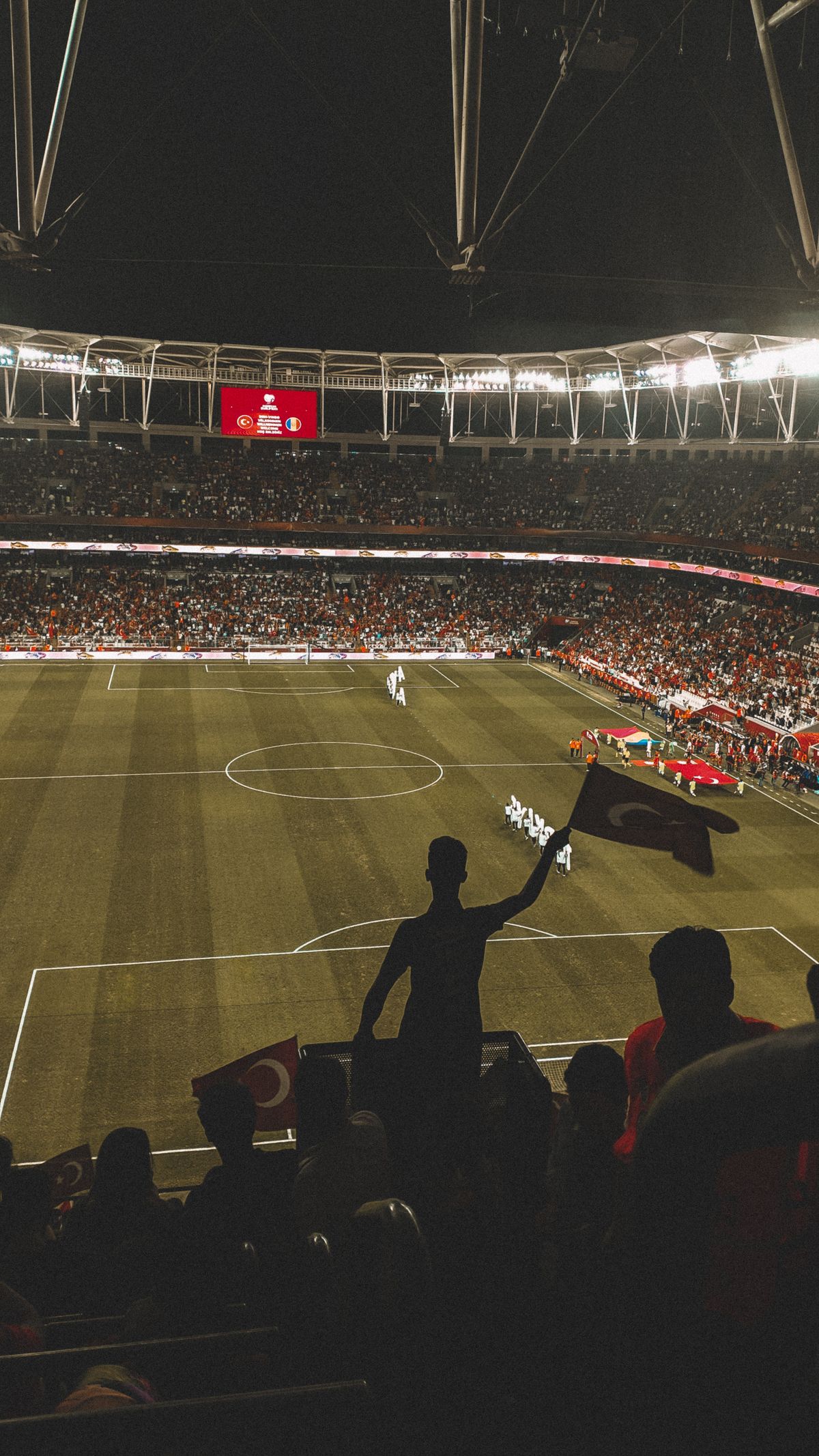
New York City confirmed Monday that it will host five free fan zones across all five boroughs during the 2026 FIFA World Cup, anchored by a flagship site at the USTA Billie Jean King National Tennis Center in Flushing Meadows. Mayor Zohran Mamdani and Governor Kathy Hochul announced the plan on April 27, with the state committing $20 million to underwrite the program. The Queens venue, the same campus that hosts the US Open every August, will run from June 11 through June 27, covering the opening rounds of group play and most of the round of 32.
"Every fan should be able to watch the greatest tournament on Earth without having to dip into their savings," Mamdani said, per CBS New York. Hochul cast the rollout as outreach rather than overflow seating. "If you can't get to the World Cup, the World Cup is coming to you," she said.
What the five sites cover
The schedule pairs early-tournament density in the outer boroughs with a final stretch concentrated in midtown. Rockefeller Center will host viewers from July 6 through July 19, the day of the final at MetLife Stadium across the river in East Rutherford. Bronx Terminal Market is on the calendar for the first weekend of group play on June 13 and 14, while Brooklyn Bridge Park opens on June 13. The Staten Island University Hospital Community Park, which can accommodate up to 10,000 spectators, runs from June 29 through July 2, capturing the final group window and the start of the knockout bracket. Free tickets will be distributed first-come, first-served via the host committee at nynjfwc26.com.
For the road to 2026, this matters because the fan experience question is whether the tournament feels owned by the host cities or imposed on them, and the answer will vary block by block across the sixteen host metros. New York's choice to keep all five sites free, rather than monetize the perimeter, sets a benchmark other US host cities will be measured against. Visitors planning a trip around group-stage windows now have a real reason to extend a stay in the city for the public viewings, with hotels in Queens and midtown likely to feel the demand on match weekends.
Across the river and across the state
The New Jersey side of the host committee is taking a different approach. The NYNJ World Cup 26 Jersey Fan Hub will operate at Sports Illustrated Stadium in Harrison, the 25,000-seat home of the New York Red Bulls, with a 60-foot screen on the pitch and a Hype House premium space anchored by twenty large-screen televisions. Admission is $10, with children 12 and under free, a price designed to manage capacity rather than monetize attendance. "The Jersey Fan Hub will create an accessible and exciting space for residents and visitors alike to come together," board chair Tammy Murphy said in the host committee announcement. PATH and NJ Transit access into Harrison makes the venue an easy add-on for fans already heading to MetLife.
Other host states have moved on similar timelines. Pennsylvania Governor Josh Shapiro unveiled three free fan zones in late March, in Reading, Scranton, and Pittsburgh, with $2 million in state funding from the Department of Community and Economic Development. Reading is scheduled for July 3, 4, 18, and 19. Scranton is on for July 4, 5, 6, 18, and 19. Pittsburgh runs July 4, 5, 9, and 19. The pattern across the Northeast is consistent: state and city governments are treating tournament-time public viewings as civic infrastructure rather than ticketed entertainment, a notable shift from the way prior host cities in other countries handled the same problem.
What it means for travel and viewing planning
Anyone weighing a trip can now plan around two parallel calendars: the official match schedule for the 11 US host venues and the public-viewing programming that fills out the days in between. For travel, that increases the appeal of multi-night stays around fan-zone clusters in Queens, midtown Manhattan, and Harrison, where transit access is dense and back-to-back match windows reward fans who do not have to relocate for every fixture. Rail and ride-share planning will reward early bookings as the June 12 USMNT opener at SoFi Stadium pulls a parallel surge of demand on the West Coast. The full how-to-watch guide for US viewing will continue to update with broadcast and streaming windows. For the broader picture of how the United States is preparing to receive the tournament, see the USA host-country roadmap.
Sources
- ABC7 New York: FIFA World Cup free fan zones announced for each New York City borough
- CBS New York: New York City will host 5 free FIFA World Cup fan events this summer
- New York Red Bulls: NYNJ World Cup 26 Jersey Fan Hub announcement
- Pennsylvania Governor's Office: Shapiro unveils three free FIFA World Cup fan zones
Sources
- FIFA World Cup free fan zones announced for each New York City borough
- New York City will host 5 free FIFA World Cup fan events this summer
- NYNJ World Cup 26 Jersey Fan Hub to Power Host Committee's Fan Experience in New Jersey
- Governor Shapiro Unveils Three Free FIFA World Cup Fan Zones Across Pennsylvania